Hip pain can be a real pain in the….Here’s what might be going on.
Hip pain is more than just uncomfortable, it can seriously interfere with sleep, movement, and daily life. A common culprit for hip pain we see at Flex Clinic is Greater Trochanteric Pain Syndrome (GTPS), also known as lateral hip pain, gluteal tendinopathy, or trochanteric bursitis.
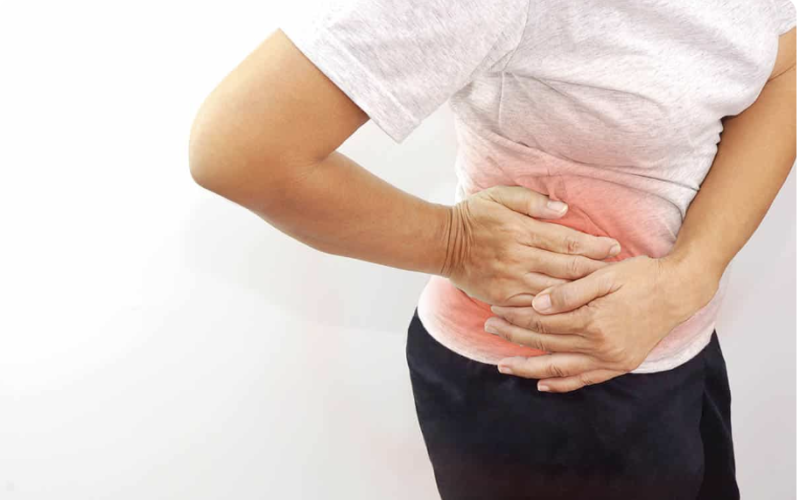
What Does GTPS Feel Like?
If you’re experiencing one or all of these symptoms:
- Pain on the outside of the hip or deep in the buttock
- Pain radiating down the outside of your leg
- Discomfort when lying on your side
- Pain walking upstairs, standing or sitting too long
- Tenderness when touching the side of your hip
…then GTPS might be to blame.
Why it happens
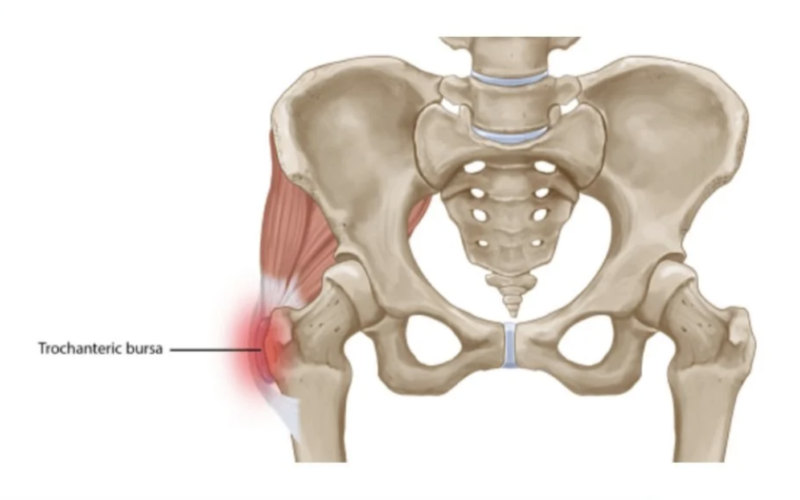
GTPS is usually caused by overloading the gluteus medius and minimus tendons, which connect to the side of the hip at a bony point called the greater trochanter. When these tendons are exposed to more load than they can tolerate (whether from repetitive movements, poor biomechanics, or a sudden increase in activity) they can become irritated. The nearby bursa, a small fluid-filled sac that cushions the area, may also become inflamed, adding to the pain.
Women in perimenopause or menopause are often vulnerable to GTPS due to hormonal changes. A drop in estrogen levels during this time can weaken tendon structure and slow down tissue repair, making the tendons more prone to injury.
How Flex can help
If you suspect GTPS may be affecting you, we recommend booking an assessment with one of our experienced physiotherapists. A clear diagnosis is the first step toward effective treatment.
Our approach typically includes hands on therapy to give relief to the painful area alongside targeted exercise therapy, which is essential for recovery. Depending on your needs, your physiotherapist will guide you through a tailored program in our fully equipped gym & Pilates studio. We monitor your progress closely, adjusting your exercises as your strength and tolerance improve.
Tips to Get You Started:
Whilst waiting for your appointment, these simple changes can help reduce strain and ease discomfort:
- Avoid crossing your legs when sitting.
- Don’t ‘pop your hip’ by standing more on one leg - keep your weight evenly balanced in both feet.
Use pillows between your knees when lying on your non-painful side to avoid compression, keeping your knee level with your hip.
Ready to Feel Better?
Book your consultation with one of our experienced physiotherapists at Flex Clinic today and start your journey toward pain-free movement. We combine expert physiotherapy with Clinical Pilates and gym-based rehab to support you every step of the way. Whether you're dealing with GTPS or ongoing hip pain, we’ll help you move with confidence again.